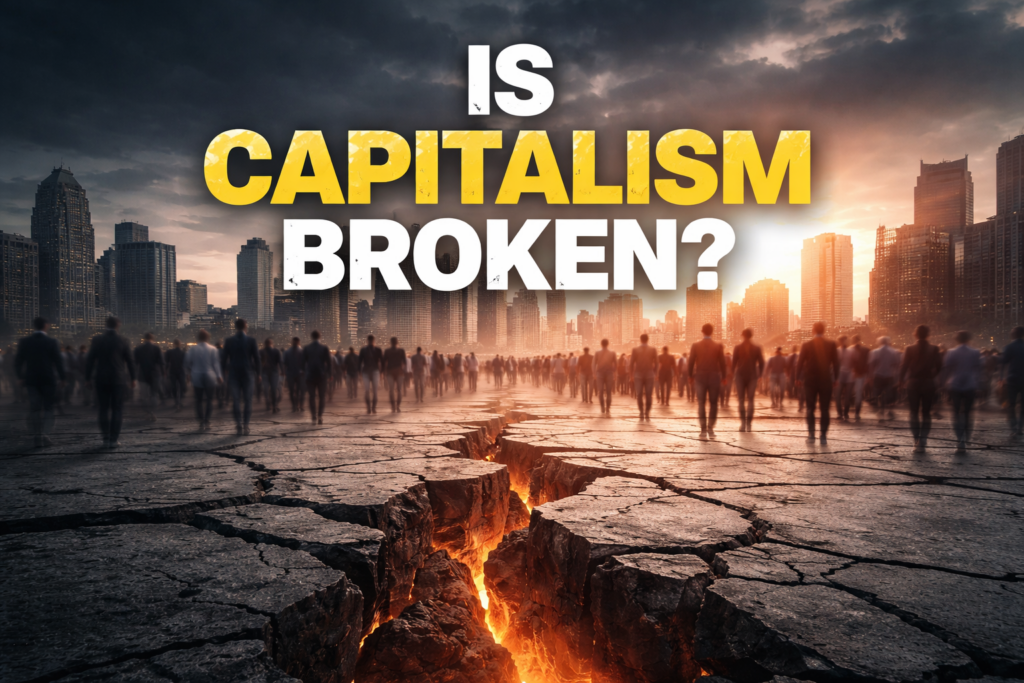
For years, capitalism has been the dominant economic system shaping our world. It has created innovation, built wealth, and driven progress at a scale never seen before. But if you spend even a few minutes reading real conversations online, one question keeps coming up:
Is capitalism broken?
More and more people are starting to think the answer might be yes.
“The system feels rigged”
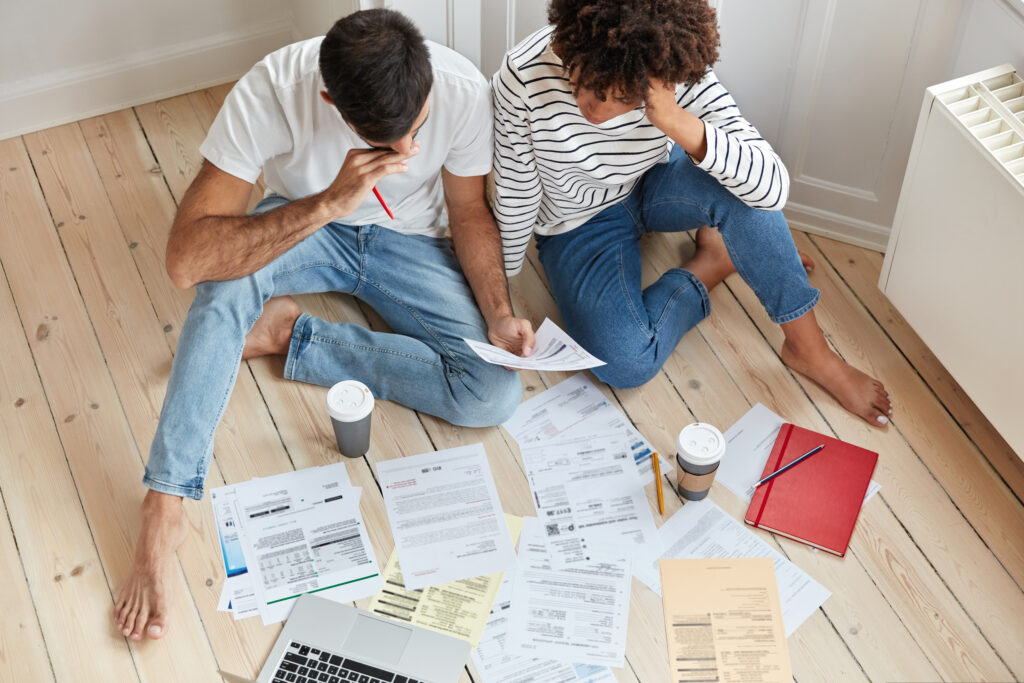
One of the most common frustrations people express is simple: it feels like the system only works for the people at the top. Wages aren’t keeping up with the cost of living. Housing feels out of reach for many, and healthcare can bankrupt families overnight. At the same time, corporations continue to report record profits.
This growing disconnect has led to a surge in phrases like “late-stage capitalism,” “wealth inequality,” and “corporate greed.” Whether or not those labels are accurate, the sentiment behind them is undeniable.
People feel like they’re working harder than ever… and somehow falling further behind.
“What’s the point of all this work?”
Beyond financial frustration, there’s something deeper happening—a growing loss of meaning.
People aren’t just questioning how much they earn; they’re questioning why they work at all. Jobs feel increasingly transactional. Work feels disconnected from real impact. And success, for many, feels empty. You hear it more and more: “I work 40+ hours a week… for what?”
This isn’t just burnout. It’s a deeper reflection on purpose. It raises an uncomfortable but important question:
Should work mean something more than just a paycheck?
“Why can’t people afford to live?”
For many, the issue isn’t theoretical—it’s deeply personal. People are asking why healthcare costs continue to rise, why housing is becoming unaffordable, and why education often leads to decades of debt instead of opportunity. These aren’t abstract debates happening in classrooms or policy circles. They’re everyday realities affecting millions of people.
And they’re fueling a growing belief that something about the system isn’t working the way it should.
“Profit over people”
Trust in corporations has also taken a hit. There is a growing perception that businesses are optimized for one thing: maximizing profit, no matter the cost. Whether it’s environmental impact, labor practices, executive compensation, or accountability, many people feel that people come second.
Right or wrong, the narrative is spreading:
“Companies care more about profits than people.”
And that perception alone is enough to erode trust.
“But the alternatives don’t work either…”
Here’s where things get complicated. Even many of the people who criticize capitalism are not convinced that the alternatives are better. Socialism has its own challenges. Government solutions are often seen as inefficient or unsustainable.
So we’re left in a strange place. People don’t fully trust capitalism. But they don’t fully trust the alternatives either.
Which leads to a more important question:
What comes next?
Maybe the problem isn’t profit…
What if capitalism itself isn’t the problem? What if the real issue is that profit has been separated from purpose?
In today’s system, businesses are rewarded for maximizing revenue, but not necessarily for creating meaningful impact. Giving back is often optional, delayed, or treated as a marketing strategy rather than a core function.
But what if that wasn’t the case?
A different way forward
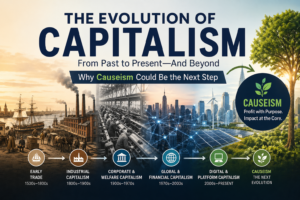
Imagine an economy where every transaction created value beyond the purchase. Where businesses succeeded by helping solve real-world problems. Where profit and purpose weren’t competing forces, but aligned incentives. This isn’t about replacing capitalism. It’s about evolving it. Because the frustration people feel isn’t just about money. It’s about meaning. It’s about fairness. It’s about trust.
And most importantly—It’s about hope.
The bottom line
So, is capitalism broken? Maybe. Or maybe it’s incomplete. The growing dissatisfaction we’re seeing isn’t random. It’s a signal. A signal that people are ready for something better—something more aligned with the realities of the modern world.
The question isn’t just whether capitalism is broken.
The real question is: what are we going to build next?