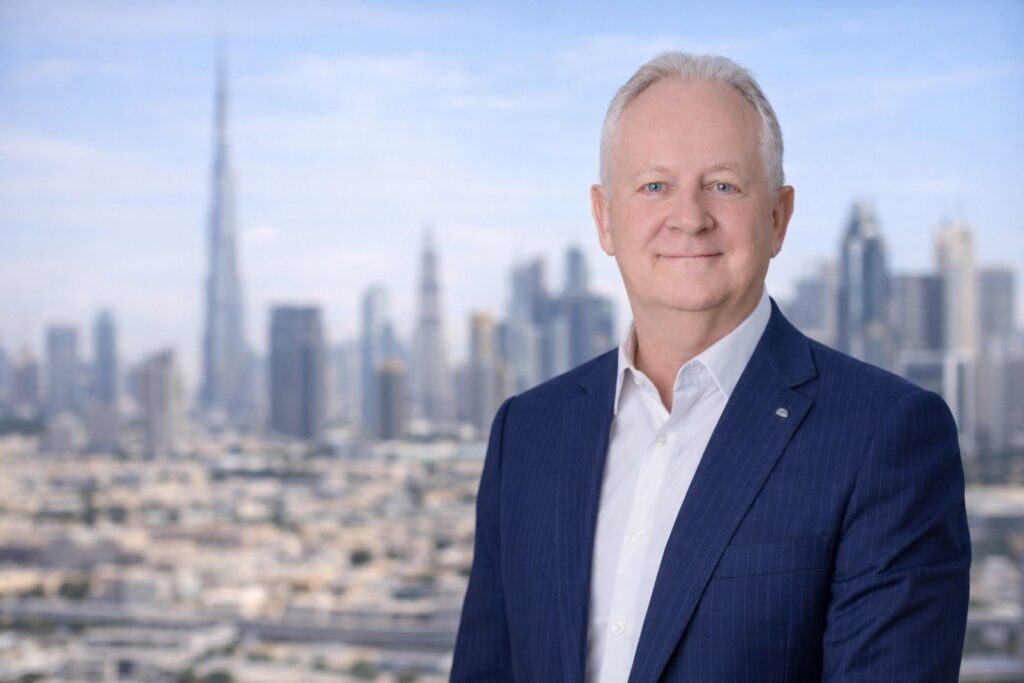
What is Causeism? In this video, Steve Down introduces a new economic philosophy where every transaction supports a cause—redefining the relationship between profit, purpose, and the future of business.
What is Causeism?
What is Causeism?
For most of my life, I’ve been an entrepreneur. I’ve built companies. I’ve created wealth. I’ve seen firsthand the power that business has to shape lives, communities, and entire industries. And I still believe in business. But I also believe something is missing.
The Problem We Don’t Talk About Enough
We live in a world where business has created incredible progress—innovation, opportunity, and economic growth on a global scale. Yet at the same time, we see growing division, rising inequality, and a loss of trust in the very systems that built that progress.
People are working harder than ever… and still asking:
“Is this really working?”
That question matters. Because when people lose faith in business, they lose faith in the future.
Two Systems. Two Limitations.
For generations, the world has debated between two dominant economic philosophies:
Capitalism and socialism.
Each was created to solve real problems. Each has strengths. And each has limits.
Capitalism drives innovation and wealth creation—but often separates profit from purpose. Socialism seeks fairness and equality—but can struggle with efficiency, scalability, and incentive. Neither system fully solves the problem. And that’s where the opportunity is.
Introducing Causeism
Causeism is a third economic philosophy—one designed for the world we live in today. It does not replace capitalism. It does not rely on government redistribution. Instead, it evolves business itself.
At its core, Causeism is simple:
Every transaction supports a cause.
That means when a customer buys a product or service, a portion of that transaction is built in to support something meaningful—consistently, transparently, and sustainably. Not as an afterthought. Not as a marketing campaign. But as part of the business model itself.
Why This Matters
For too long, giving has been treated as optional. Something businesses do at the end of the year. Something tied to profits—if there are any left. Causeism changes that. It embeds impact into the very structure of business.
So instead of asking:
“Should we give back?”
The question becomes:
“What cause are we building into everything we do?”
What Happens When You Align Profit and Purpose
When profit and purpose come together, something powerful happens. Customers feel connected to what they’re buying. Employees feel connected to the work they’re doing. Businesses build trust—not just transactions.
And nonprofits receive something they’ve always needed:
Consistent, sustainable support.
This creates a system where everyone benefits. Business grows. Communities improve. And people begin to believe in the system again.
This Is About More Than Business
Causeism isn’t just an economic model. It’s a mindset shift. From scarcity to abundance. From competition to contribution. From profit alone… to profit with purpose. Because the real issue we’re facing today isn’t just economic.
It’s emotional. People are searching for meaning. For fairness. For something they can believe in.
A System People Can Believe In
I believe business can be that system. Not because it’s perfect—but because it’s powerful. When you embed purpose into every transaction, you create something entirely new:
A system where doing well and doing good are no longer separate.
They are the same.
The Question Moving Forward
So the question isn’t just:
What is Causeism?
The real question is:
What would the world look like if every business operated this way?
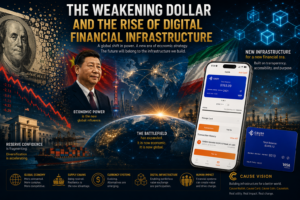
What happens when the world’s reserve currency begins to lose influence? In this thought-provoking episode of The Causeism Podcast, Steve Down explores the future of
Steve Down introduces Causeism, a new economic philosophy designed to restore hope by embedding purpose into every business transaction. In a time of growing division and despair, Steve Down explains why the future of business must evolve—where profit and impact rise together to create a more meaningful and sustainable world.
What is Causeism? In this video, Steve Down introduces a new economic philosophy where every transaction supports a cause—redefining the relationship between profit, purpose, and the future of business.
Have you heard of the CLARITY Act? If not, you’re not alone. While Congress has spent years debating cryptocurrency regulation, most Americans have never heard
What happens when the world’s reserve currency begins to lose influence? In this thought-provoking episode of The Causeism Podcast, Steve Down explores the future of
As the global economy becomes increasingly shaped by economic competition, digital infrastructure, and geopolitical uncertainty, the future of finance may no longer revolve around a single dominant currency. In this article, we explore how the weakening influence of the U.S. dollar, China’s rise through economic power, and Iran’s strategy of economic disruption are accelerating interest in blockchain, decentralized finance, and global financial infrastructure. More importantly, we examine why the next era of finance may be defined not by hype, but by systems built on utility, trust, accessibility, and purpose.
The future of finance isn’t just digital—it’s decentralized, global, and built on purpose. In Part 2, Steve Down explains how blockchain, Cause Vision, and Causeism are creating a new economic model that empowers individuals and embeds impact into every transaction.
What if the future of finance wasn’t just about making money—but making a difference? In this article, Steve Down introduces Causeism and explains why the next evolution of the global economy must integrate purpose, impact, and financial innovation.
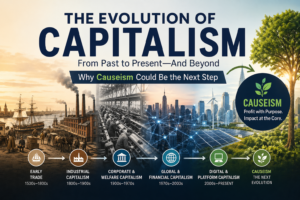
Capitalism has evolved for centuries—but what comes next? This article breaks down the history of capitalism and introduces “Causeism,” a new model where purpose and profit work together to shape the future of business.