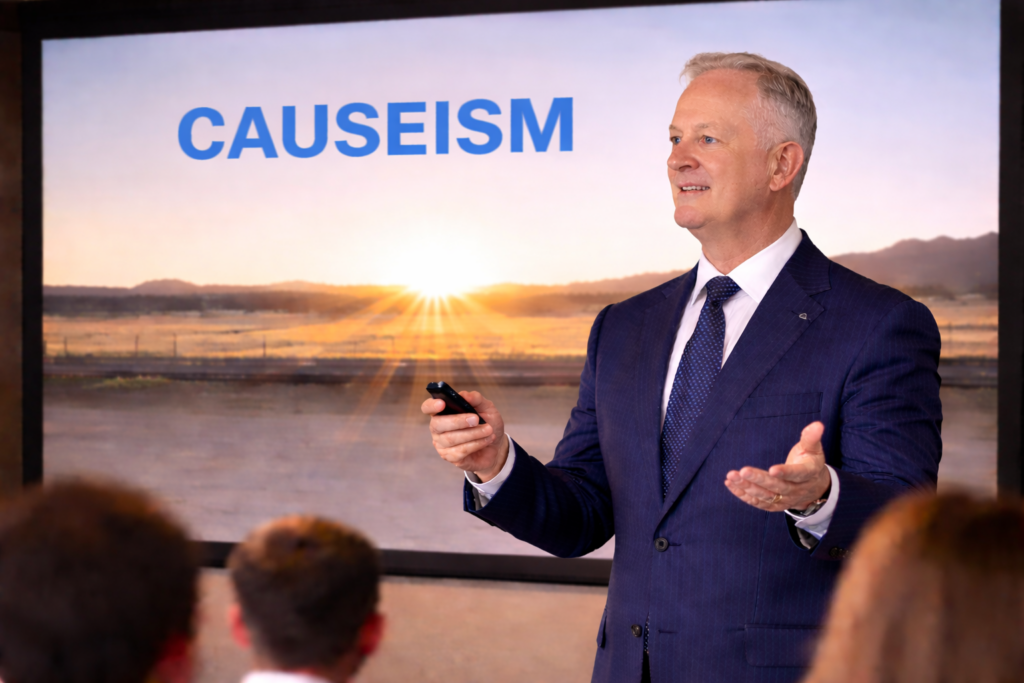
In this first episode of the Causeism Podcast, Steve Down introduces a new economic philosophy where profit and purpose work together. Drawing from decades of experience in business, he explains why traditional models fall short—and how Causeism offers a more meaningful, sustainable way forward.
Steve Down Explains Causeism | A New Economic Model That Could Change the World
Steve Down Explains Causeism | A New Economic Model That Could Change the World
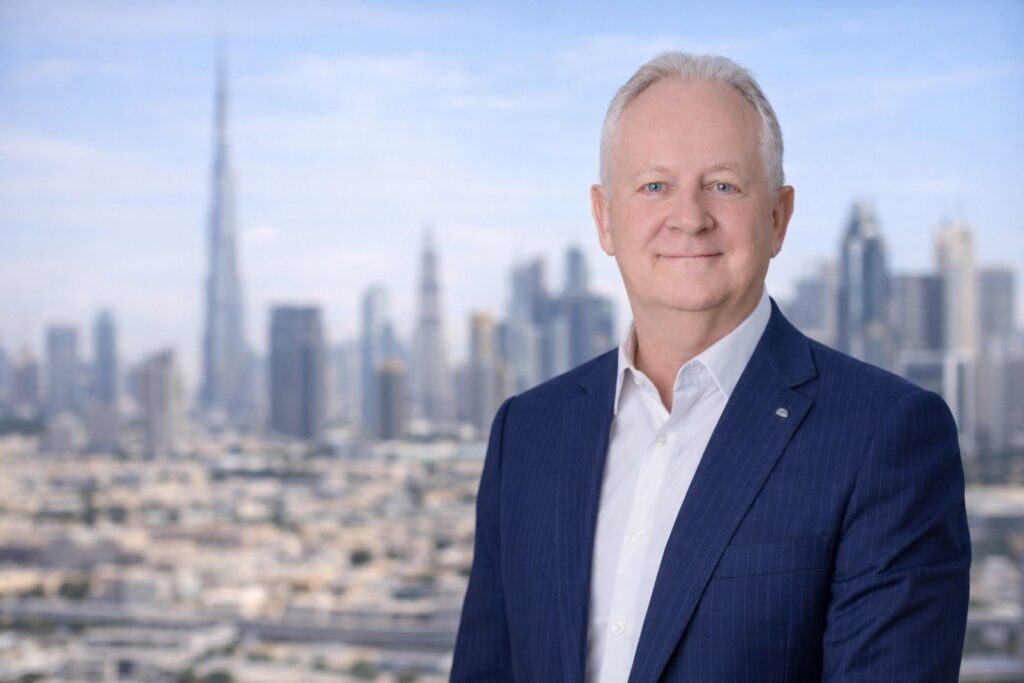
Steve Down
In this first episode of the Causeism Podcast, Steve Down introduces a new economic philosophy where profit and purpose work together. Drawing from decades of experience in business, he explains why traditional models fall short—and how Causeism offers a more meaningful, sustainable way forward.
The Causeism Podcast: Steve Down Explains Causeism | A New Economic Model That Could Change the World
Reformatted Transcript
Hello, my name is Steve Down.
For most of my life, I’ve been an entrepreneur. I’ve built companies, created wealth, and experienced firsthand just how powerful business can be. But along the way, I learned something important:
Profit alone isn’t enough.
I believe that while we earn a profit, we also have the ability—and the responsibility—to solve many of the world’s biggest challenges. In fact, I believe we’ve been looking at this all wrong. The solutions to the world’s problems are not solely the role or responsibility of government.
They are our responsibility. And more than that—they are our privilege.
That belief is what led me to create Causeism—an economic philosophy where every business transaction supports a meaningful cause. Causeism is built on a simple but powerful idea: a for-profit business chooses a nonprofit partner, not as a marketing tactic, but as a true, sustainable relationship. A percentage of gross revenue—not net profit—is given with every transaction, ideally beginning with the very first product or service sold.
This approach transforms giving from something occasional into something foundational.
At its core, Causeism brings together purpose and profit. And when those two forces are aligned, business becomes something more than just a means of making money—it becomes meaningful. It becomes energizing. It becomes, quite simply, more fun.
But beyond fulfillment, Causeism creates real, measurable impact. Every transaction contributes to solving real-world problems. Giving is no longer delayed or optional—it is embedded directly into the business model. This attracts customers who care about impact and builds stronger loyalty. It also attracts employees who want their work to matter, creating a culture that is both mission-driven and deeply engaging.
At the same time, it provides something nonprofits desperately need: sustainable funding. Many nonprofit organizations fail—not because they lack passion, but because they lack consistent resources. Causeism offers a new path forward, where nonprofits no longer spend the majority of their time fundraising, but instead focus on fulfilling their mission.
Transparency also becomes a key benefit. Instead of asking consumers to trust that companies will “do good” eventually, Causeism makes impact visible and immediate.
Ultimately, Causeism represents a kinder, more compassionate way of doing business—one that resonates with the rising generation, who are searching for meaning, accountability, and hope.
Why Now?
When asked why Causeism matters today, the answer is clear.
There has never been a time in my lifetime where society—particularly in America—has felt so divided. Despite incredible advances in technology, knowledge, and resources, we are seeing more despair, not less.
We’ve tried working harder. We’ve tried increasing taxes. Yet many of the same problems remain.
The truth is, if we continue doing the same things, we will continue getting the same results.
This is a moment that calls for new thinking—especially in the economy, which has the greatest influence on social change. Because when systems produce division, lack of hope, and growing despair, it’s a sign that something isn’t working.
What replaces despair, when things are right, is hope.
And I believe Causeism is a message of hope the world is waiting for.
Abundance vs. Scarcity
At the heart of Causeism is a shift in mindset—from scarcity to abundance.
For generations, we’ve been taught that resources are limited, that success is a competition, and that in order for one person to win, another must lose.
But Causeism is based on a different principle:
Give, and you shall receive.
This isn’t just a philosophical idea—it’s a practical one. When businesses align with purpose and give consistently, they don’t lose—they grow. They attract more customers, build stronger loyalty, and create more opportunity.
And when businesses operate from a place of abundance, everyone benefits—the company, the nonprofit, and the community.
Restoring Meaning to Work
For many people, work today feels like drudgery. It’s something they do to earn a paycheck, not something that brings meaning or fulfillment.
But it doesn’t have to be that way.
Causeism brings purpose back into the workplace. It creates environments where employees feel like they are part of something bigger than themselves—where their work contributes to real change in the world.
I’ve seen this firsthand.
With Even Stevens Sandwiches, we built a model where for every sandwich sold, another was donated to someone in need. That simple act transformed the culture of the company. Employees didn’t feel like they were just working—they felt like they were making a difference.
And that changes everything.
When people feel purpose, work becomes more than work.
It becomes something they believe in.
Steve Down’s Thoughts
We are living in a time where people are questioning everything—business, leadership, and the systems that shape our lives. And rightfully so.
Because when people work hard and still struggle… when businesses succeed but communities fall behind… when progress exists without purpose… something is out of alignment.
Causeism is not about rejecting capitalism. It’s about evolving it.
It’s about recognizing that business is one of the most powerful forces in the world—and choosing to use that power intentionally.
When profit and purpose rise together, business becomes more than an economic engine. It becomes a source of hope.
Have you heard of the CLARITY Act? If not, you’re not alone. While Congress has spent years debating cryptocurrency regulation, most Americans have never heard
The future of finance isn’t just digital—it’s decentralized, global, and built on purpose. In Part 2, Steve Down explains how blockchain, Cause Vision, and Causeism are creating a new economic model that empowers individuals and embeds impact into every transaction.
What if the future of finance wasn’t just about making money—but making a difference? In this article, Steve Down introduces Causeism and explains why the next evolution of the global economy must integrate purpose, impact, and financial innovation.
Have you heard of the CLARITY Act? If not, you’re not alone. While Congress has spent years debating cryptocurrency regulation, most Americans have never heard
The future of finance isn’t just digital—it’s decentralized, global, and built on purpose. In Part 2, Steve Down explains how blockchain, Cause Vision, and Causeism are creating a new economic model that empowers individuals and embeds impact into every transaction.
What if the future of finance wasn’t just about making money—but making a difference? In this article, Steve Down introduces Causeism and explains why the next evolution of the global economy must integrate purpose, impact, and financial innovation.